
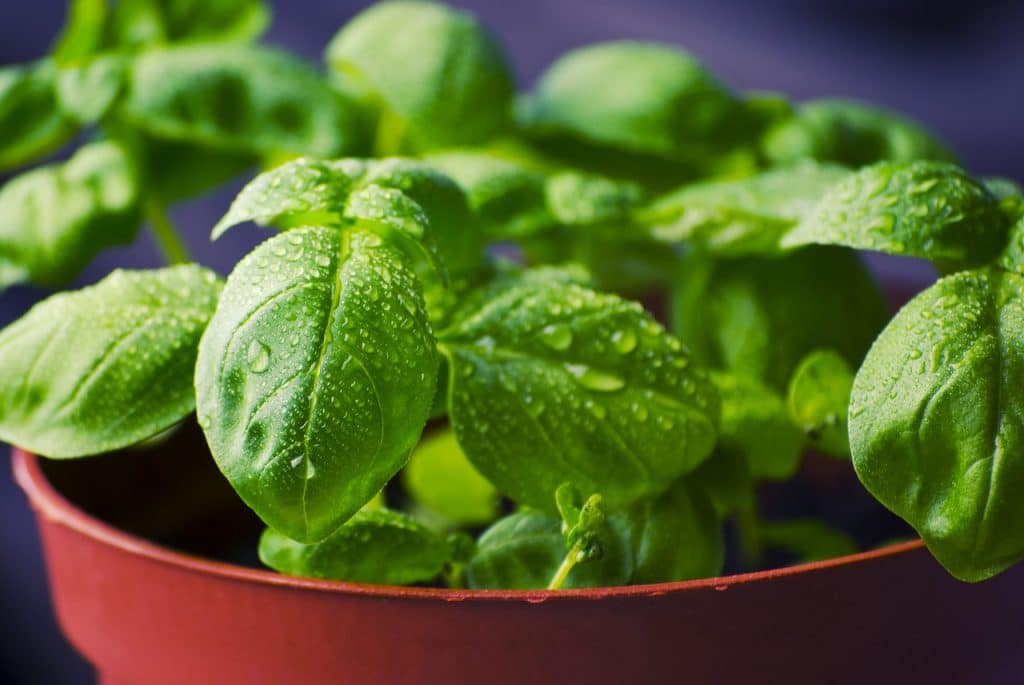
Basil
Basil soothes the soul and body, strengthens heart activity, relieves children's diarrhea. Basil essential oil has a sedative, antimicrobial, anticonvulsant and antitussive effect
We offer you an encyclopedia of herbs and plants with medicinal properties. We will try to supplement and update the content constantly. If you find any errors, please send us a link and source so that the information here can be correct and useful for everyone.
Thanks!
Basil soothes the soul and body, strengthens heart activity, relieves children's diarrhea. Basil essential oil has a sedative, antimicrobial, anticonvulsant and antitussive effect

Verbena is used for colds, rheumatism, neuralgia, headache, cholecystopathy, kidney stones, periodontitis, purulent wounds, sexual weakness, nervous and physical fatigue, exhaustion, lethargy, anemia, liver diseases, irregular menstruation
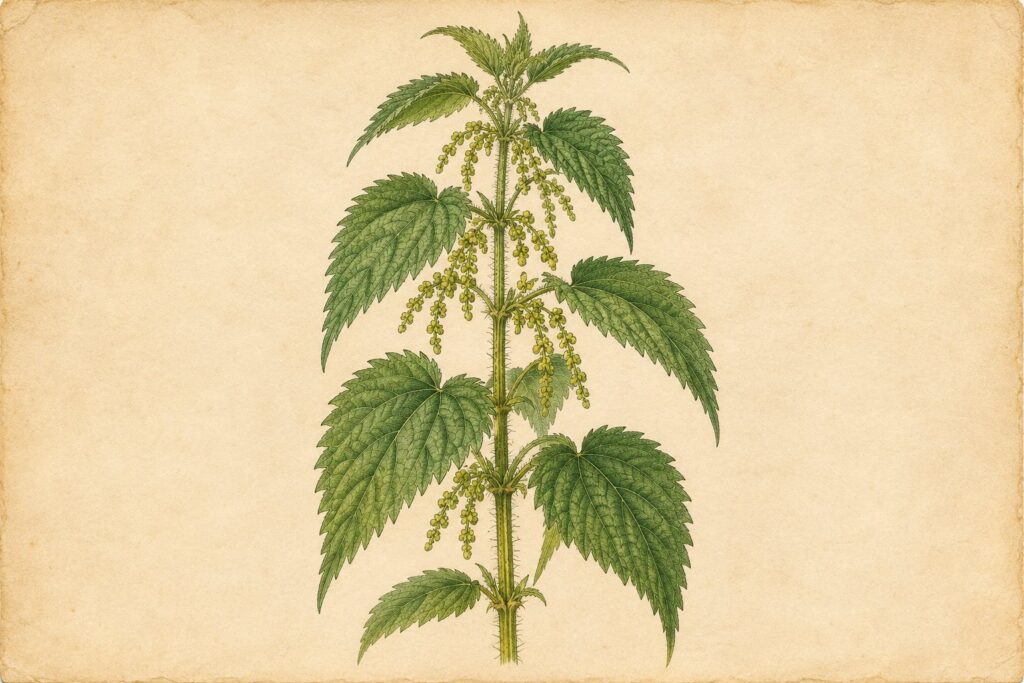
Коприва (Urtica dioica) е многогодишно парливо растение от семейство Копривови. Листата се пият като запарка за повече урина при леки пикочни оплаквания и при леки болки в ставите, а коренът – при увеличена простата.

Arnica treats skin infections, bleeding wounds, arthritis, periodontitis, cardiac neurosis, Buerger's disease, angiopathies, Hemostatic, choleretic, vasodilator, nervous system stimulant. In folk medicine, it is used for uterine hemorrhages, shortness of breath, bronchitis, diabetes, etc

Wild and cultivated, Mursal tea is widely used primarily to relieve symptoms of lung diseases such as coughs of various origins and stomach upset
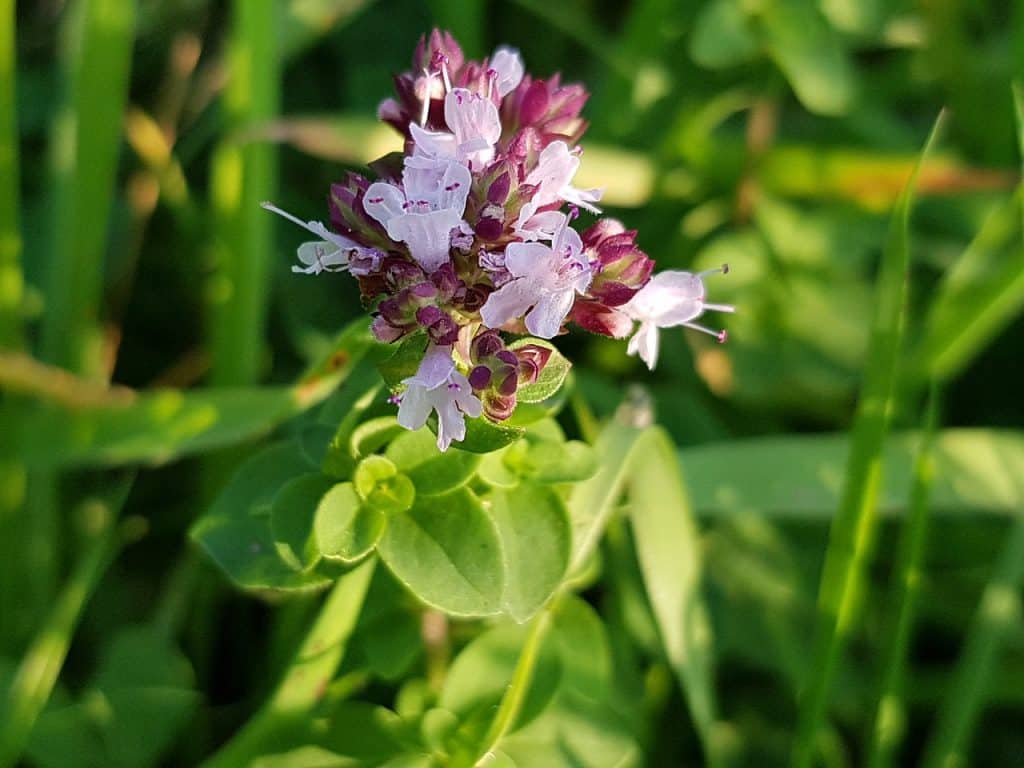
Oregano has antiseptic, anti-inflammatory, expectorant and nervine effects. It stimulates the secretion of sweat, digestive and bronchial glands. It has a pronounced soporific effect. It suppresses sexual arousal

Taraxacum officinale Web Habitat in Bulgaria: In our country, the herb is found in more than 10 varieties and is distributed almost throughout the country. It grows on grassy and sandy places, along roads and fences, it is often a weed in crops, above 2500 m above sea level. vetch Description: Perennial herbaceous plant, stemless, all parts with milky sap. …

A decoction of sage is drunk for cardiovascular problems, flatulence and diarrhea, in combination with Zhivovlek - for stomach ulcers. A decoction of the roots is used for bedwetting. A decoction of several stalks is drunk for shortness of breath. A decoction of sage and St. John's wort is drunk against smallpox and typhus. An infusion of sage in wine is used to apply purulent wounds, bruises, sprains, gout and rheumatism. A decoction of garden tea, elderberry, and bitter gourd is drunk for hemoptysis and vomiting of blood, dysentery, prolonged menstruation, seizures, palpitations, as a diuretic and choleretic.

Thyme tea is drunk for coughs, stomachaches, indigestion, bad breath. The herb is especially useful for nervous diseases, insomnia, fears and fright. Thyme is applied as immobilizing bandages for broken, cracked and sprained wounds. It is recommended for red wind, women's diseases, glands, sand in the kidneys. For eye pain, a steam bath is made from equal amounts of Thyme and Yarrow. In case of toothache, gargle with a decoction of 8-10 stems of Thyme and roots of Black Mantis. A decoction of Thyme and Savory is drunk instead of water in the case of ochtika. Thyme is valued as a safe remedy for foot and mouth. A strong decoction of it is used to wash the wounds of sick animals.

A tree with dark grey, deeply fissured bark, up to 25-30 m tall. Young twigs at apex with silvery hairs, later glabrous. Leaves lanceolate, alternate, long-pointed, 5-12 cm long. 1-3 cm wide, finely toothed along the edge, covered on both sides or only below with silvery hairs, with small stipules (1.5-2.0 cm), which are narrowly lanceolate, glandular, early falling. Petioles short, with 1-2 glands at the apex. Flowers collected in cylindrical panicles. developing at the same time as the leaves and without a perianth. The fringes of male flowers are up to 7 cm long and up to 1 cm thick, with yellowish or greenish oblong bracts. Stamens 2, free, twice as long as the bracts. The female fringes are up to 5 cm long and up to 0.5 cm thick. The fruit is a box, up to 5 mm long.
 English
 Български
 Deutsch
 Русский
 Español